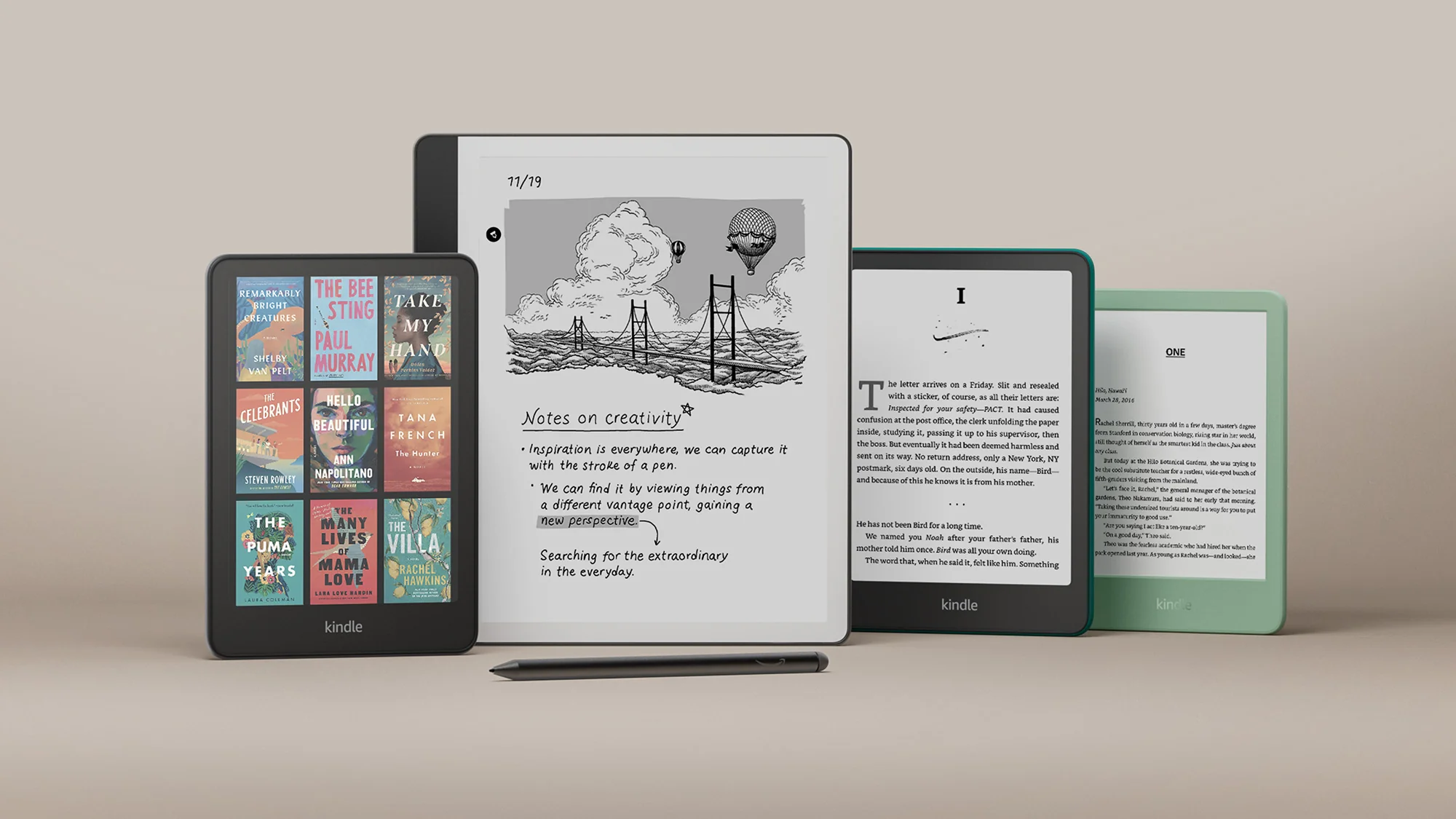
So, you have a Kindle eReader (or tablet) and you’ve probably noticed your ebooks stay right there on your device. But maybe you’d like to download them to your computer for a backup, just in case!
(more…)Ereader news from all over the world!
So, you have a Kindle eReader (or tablet) and you’ve probably noticed your ebooks stay right there on your device. But maybe you’d like to download them to your computer for a backup, just in case!
(more…)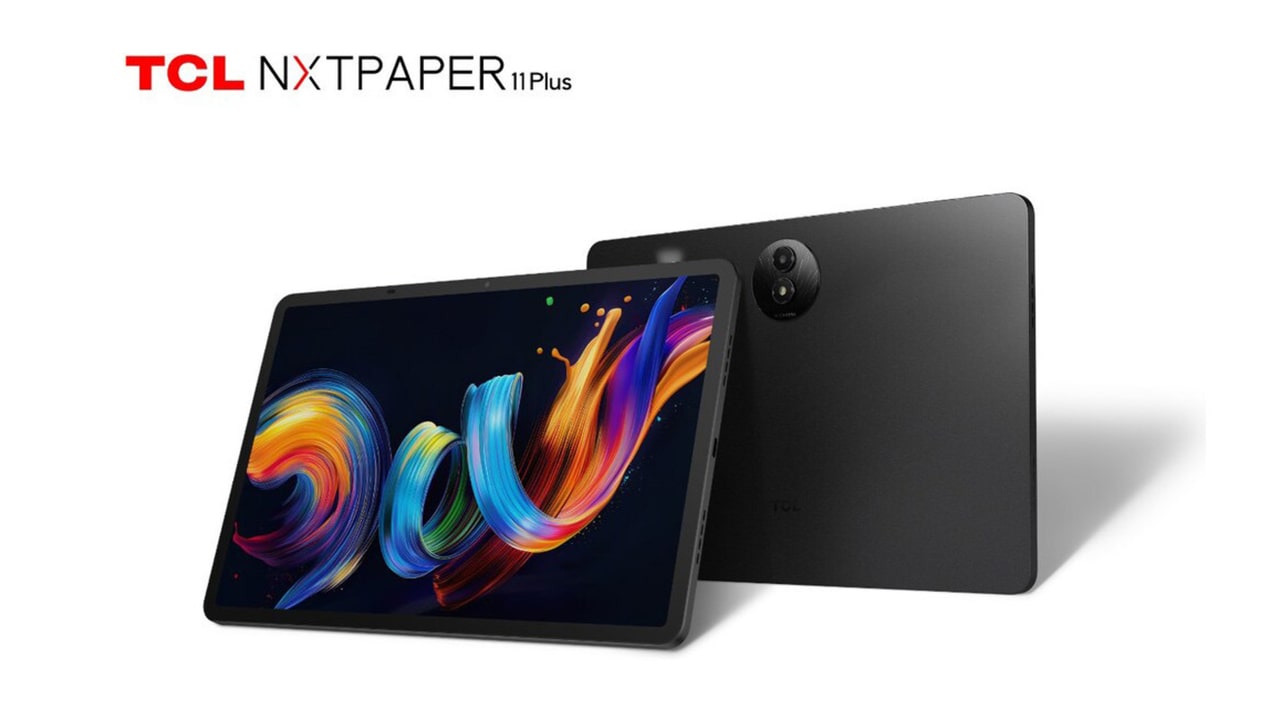
TCL has been working hard for years to bring NXTPAPER screens to its smartphones and tablets. So far, the success has been so-so. But at the Mobile World Congress 2025, TCL announced some interesting new products, like the TCL 60 smartphones and NXTPAPER 11 Plus tablets.
(more…)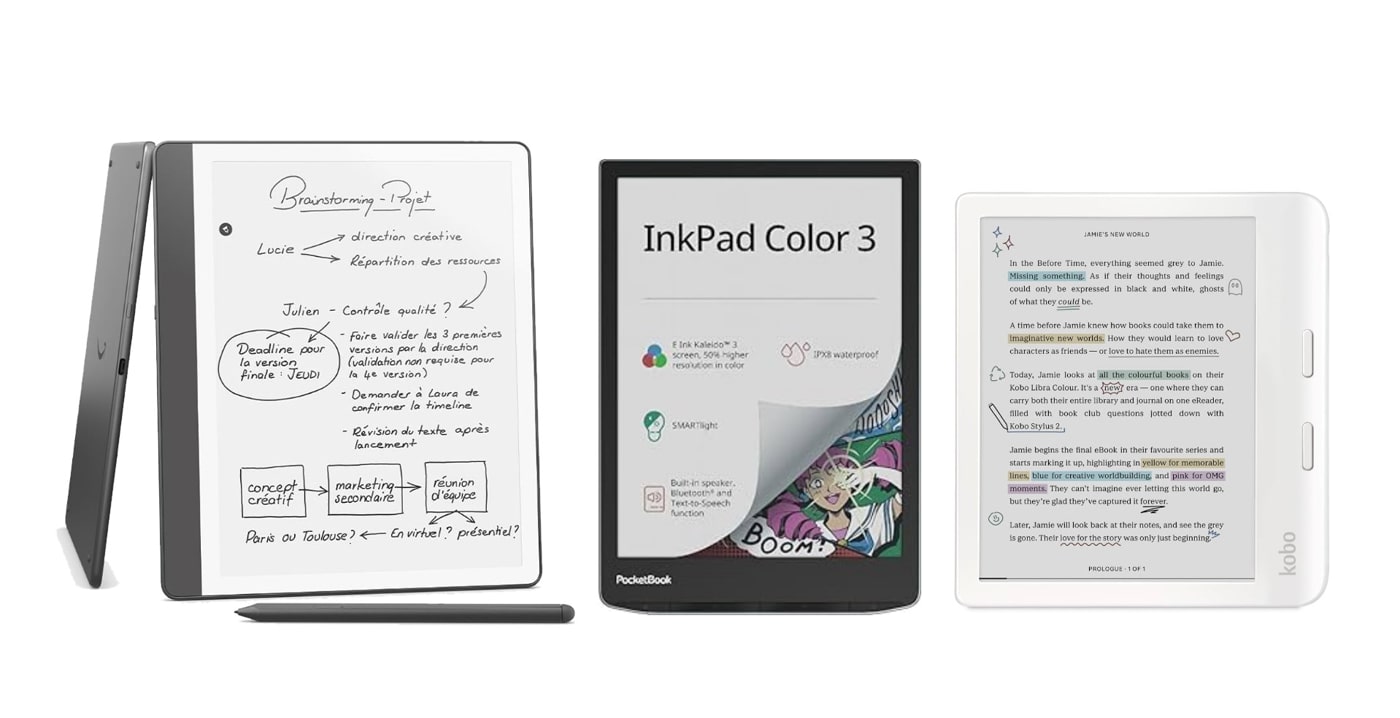
We’re starting to see a lot of choices when it comes to e-readers with e-ink screens between 7 and 11 inches. It’s true, quite a few new models have come out regularly in the last few years. That’s why I put together this little comparison for 2025.
(more…)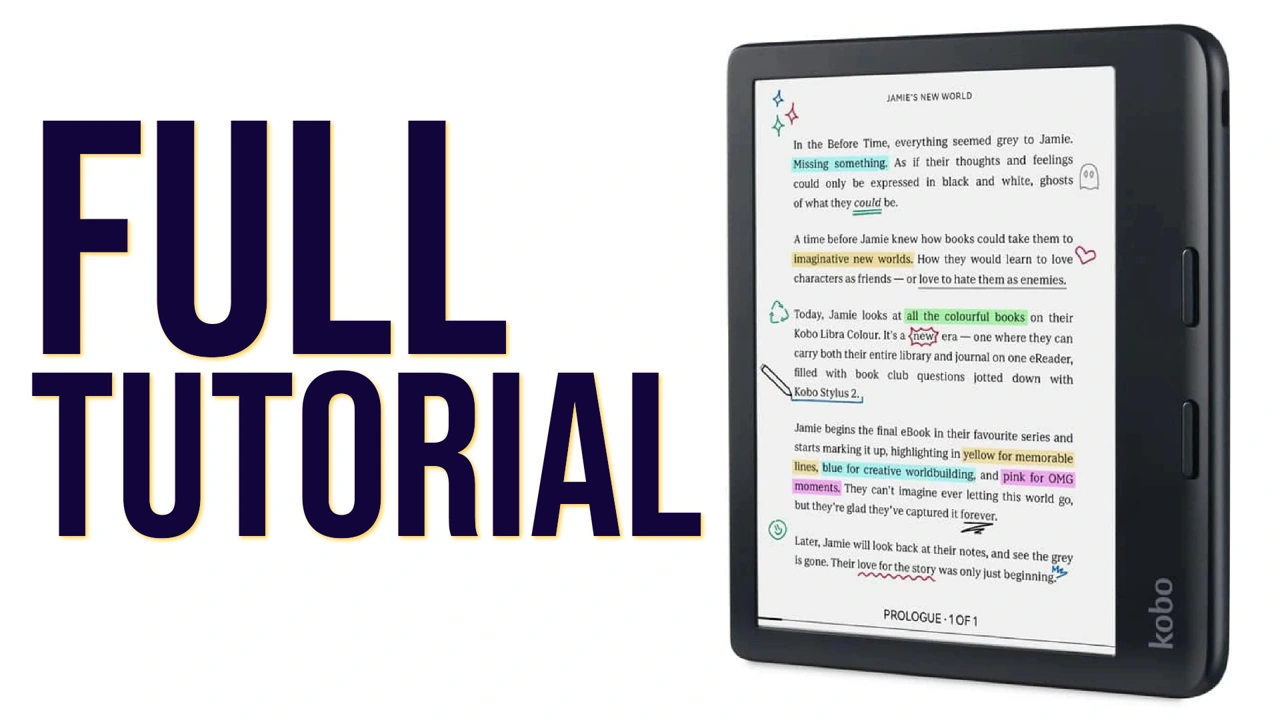
The Kobo Libra Color e-reader offers an incredible blend of features to enhance your literary adventures.
(more…)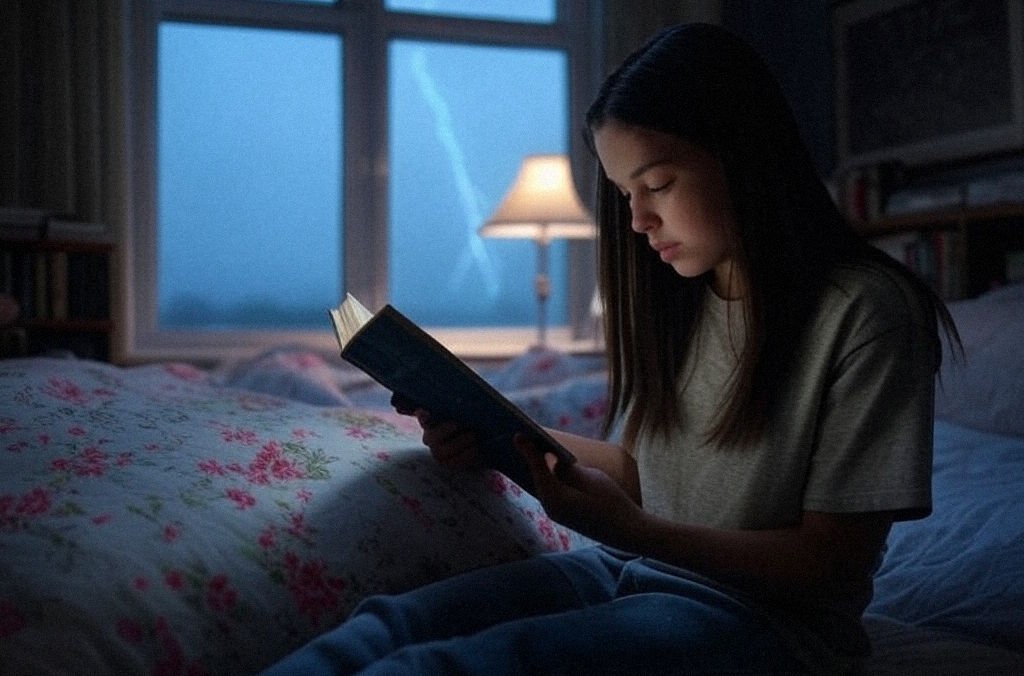
Okay, let's be real for a sec. In a world buzzing with notifications and endless entertainment, it's easy to get distracted. But have you noticed that it feels like people are reading less than ever before?
Well, it's not just a feeling. A recent study dropped a bombshell: a whopping 54% of American adults might be reading at or below a sixth-grade level.
That's definitely something to think about. This drop in reading ability seems to be connected to changes in our schools and the way technology and social media have crept into our daily lives.
(This article is inspired by this great video from Cole Hastings)
So, how did we even get here? Well, way back when, before the 70s, most schools taught reading using "phonics."
You know, sounding out words, matching sounds to letters – the whole shebang. It gave us a solid foundation for understanding what we were reading. But then things changed, and schools started using something called the "whole language approach".
The idea was that reading should feel natural and fun, and that we'd pick it up just by being around books. Sounds nice, right? But unfortunately, it didn't exactly pan out. Kids started struggling with reading comprehension and fluency, and reading abilities across the board started heading south.
Turns out, that old-school phonics stuff actually works! Studies have shown that teaching kids to sound out words helps them read better overall.
Mississippi even went back to phonics in 2013, and guess what? Their reading scores jumped! Go figure.
It wasn't just teaching methods that changed things, either. Remember "No Child Left Behind"?
That law made schools test kids every year, which was supposed to make them more accountable. At first, things seemed to improve, but once "Every Student Succeeds Act" came along and eased up on the pressure, test scores kind of dipped again.
It seems like schools were so busy prepping kids for standardized tests that they forgot to make reading fun or interesting.
And that's a problem! Kids started reading shorter snippets instead of diving into whole books, which hurt their ability to think critically and made them less excited about reading anything longer than a tweet.
Check this out: back in 1984, about 35% of 13-year-olds said they read for fun. Now? It's down to just 14%! Crazy, right?
We can't talk about this without talking about our phones.
I mean, let's be honest, how many times a day do you get sucked into a TikTok vortex or scroll through Twitter (X.com now) or Youtube for way longer than you planned?
It's hard to resist! For a lot of kids, checking social media is way more appealing than cracking open a book.
Plus, all that online noise makes it harder to focus and tell what's real from what's fake.
It's like our brains are getting trained to skim headlines instead of digging into real information.
Okay, so maybe people aren't reading "War and Peace" anymore. So what, right? Well, actually, low reading skills can cause some serious problems.
Studies show that people who struggle with reading are more likely to be unemployed, have health problems, and even end up in poverty.
It's a cycle that's tough to break. On the flip side, boosting reading skills could give our economy a shot in the arm and improve everyone's well-being.
Being able to understand and think critically about what we read is super important in today's world. It helps us make good decisions and be informed citizens.
When people can't read well, it hurts not just them, but our whole community.
Alright, enough doom and gloom. What can we do to turn things around? First off, we need to rethink how we teach reading in schools.
Let's bring back the stuff that works, like phonics, and make sure teachers have the tools they need to do their jobs well. We also need to get kids reading longer stuff, not just snippets, and cut down on distractions in the classroom.
Another big issue is that a lot of teachers are feeling burned out and leaving the profession. We need to fix that by making teaching a more sustainable job. When teachers are happy, they're more engaged and present for their students.
Finally, let's make reading fun again! Encourage kids to put down their phones and pick up a book.
Start with stuff they enjoy, even if it's not super "serious," and gradually work up to more challenging material. The goal is to make reading a habit and something to look forward to.
So, yeah, America's reading rates are a little scary right now. But it's not too late to change things.
By improving how we teach reading, reducing distractions, and making reading a priority, we can help turn the tide.
It's time to get excited about books again and help future generations develop a lifelong love of reading. Let's work together to make literacy a top priority – one awesome book at a time!
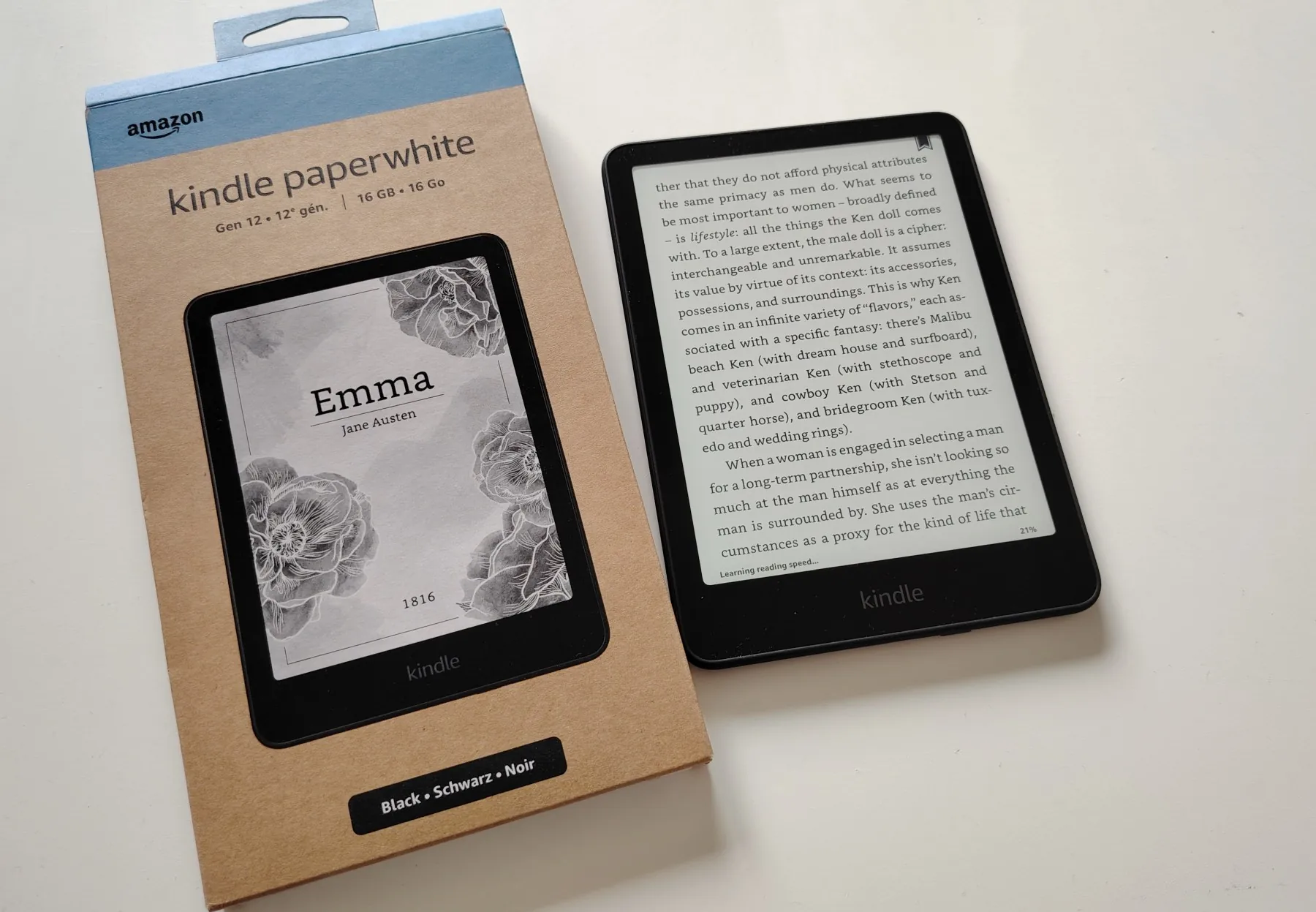
Here's some important news for anyone who owns a Kindle e-reader. You need to download your books before February 26, 2025. Yes, you read that right! Amazon is planning to remove the option to save books purchased from the Kindle platform.
How to download your books?
It's pretty simple. Start by logging into your account on Amazon.com using the ID you use for your Kindle purchases.
Once logged in, head to your account and click on "Digital Content Library." (click here) This will take you to all your digital content.
At this point, you need to click on the "Books" tab to see the list of all the books you have. Just a note: if you have any free Prime Reading books, unfortunately, you can't download those. You can just delete them from your device if they’re taking up space. But for the books you've purchased on Kindle, it's time to download them.
To do this, click "More Actions," then choose "Download & transfer via USB." Keep in mind, after the crucial date of February 26, 2025, this option won't be available anymore. You'll still be able to send books to compatible devices, but getting the files back will be a different story.
So, don’t wait! Download your books now to ensure you can access them in the future. Once the file is downloaded, you can find it in the download history, and there you go, it’s saved on your computer in AZW3 format.
If you're like me and love having access to your books even without an internet connection, now's the time to back them up.
I do hope Amazon reconsiders this decision or gives us an alternative way to save our books on our computers.
P.S.: Just to clarify, you'll still be able to buy and send Kindle ebooks to your Kindle e-reader or access them via the smartphone or tablet app. However, you won't be able to download them to your computer's hard drive.
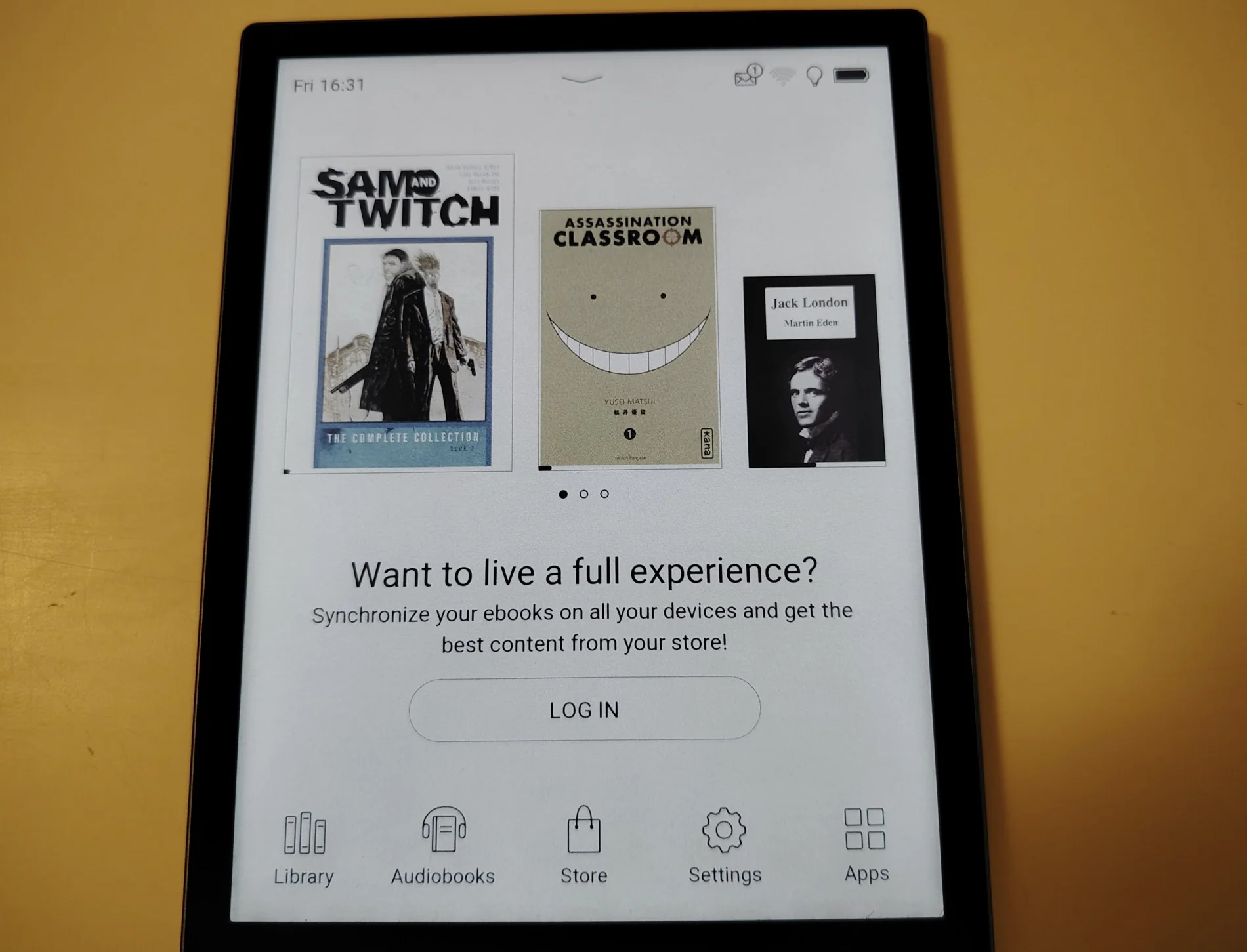
Sometimes, Pocketbook e-readers can get stuck. It can be pretty annoying if you don’t know how to quickly fix the issue. Don’t worry, I’m here to share some tips to get your device back up and running.
(more…)
After over ten years of covering the digital reading world – e-readers and ebooks (mostly in French) – I thought I had seen it all when it comes to DRM. But an important development is shaking things up.
(more…)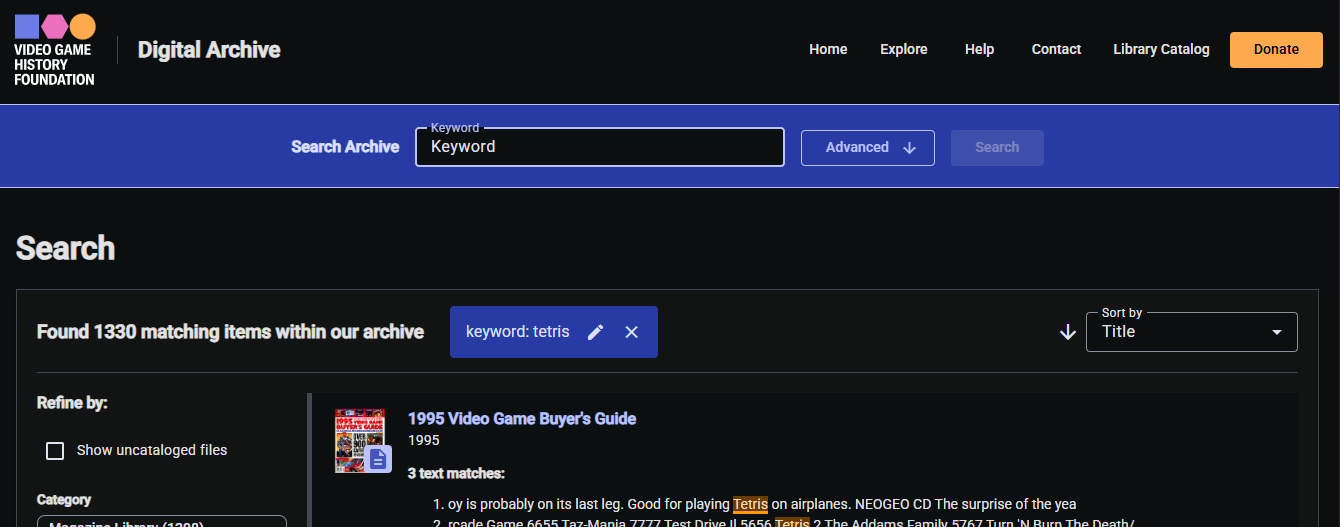
Discovering the Past: Free Access to the Video Game History Foundation's Digital Archive
Today marks an exciting milestone for gaming enthusiasts and historians alike, as the Video Game History Foundation (VGHF) opens its digital archive of video game research materials to the public.
Accessible now at https://archive.gamehistory.org/, this repository is an impressive gateway into the world of video game history that is completely free of charge.
Since its inception in 2017, the VGHF has been on a mission to build a comprehensive digital library centered around the history of video games.
Over the years, they have meticulously gathered a treasure trove of materials including development documents, rare publications, magazines, and behind-the-scenes content. This endeavor ensures that the stories of how our favorite games came to life are preserved for future generations.
The initial collection is a remarkable assortment of items that includes:
These resources are invaluable for understanding both the artistic and business sides of video game development.
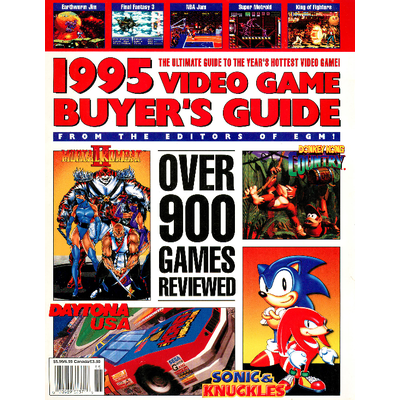
While the archive offers an incredible amount of content, it is unfortunate that documents cannot currently be downloaded for use on e-readers like Kindle. This limitation makes it less convenient for those who prefer to read on portable devices. Finding a way to transfer documents for offline access remains a challenge for many users.
EDIT: I find a way to download the retro magazines with the short cut keyboard "CTRL + S" on my computer to save the file as PDF.
One of the highlights of the launch is the Mark Flitman papers, a collection of documents from a retired game producer who worked with renowned companies such as Konami and Acclaim.
These papers embody a detailed record of the video game industry's past, offering unique insights into production and marketing practices that shaped the gaming landscape.
Additionally, the archive boasts over 100 hours of footage from the production of the Myst series, featuring behind-the-scenes content and interviews with the original development team. This access not only enriches the narrative of the Myst games but also supports upcoming projects like The Myst Documentary.
The VGHF Library will continue to expand, looking forward to more exciting additions such as:
With so much to offer, the VGHF’s digital archive is not just a resource—it's a celebration of the vibrant history of video games.
The launch of the Video Game History Foundation’s digital library opens up a new chapter in the preservation and study of video games.
Whether you’re a researcher, a developer, or just a fan, having free access to these incredible resources is an opportunity to learn, explore, and appreciate the art and craft of video game creation.
Dive in at library.gamehistory.org or https://archive.gamehistory.org/ and start your journey through the rich history of gaming today!
That's why I love ebooks: one day we'll have all the information we need at our fingertips in a little device like an ebook reader. But, of course, there's still a long way to go before we get there.
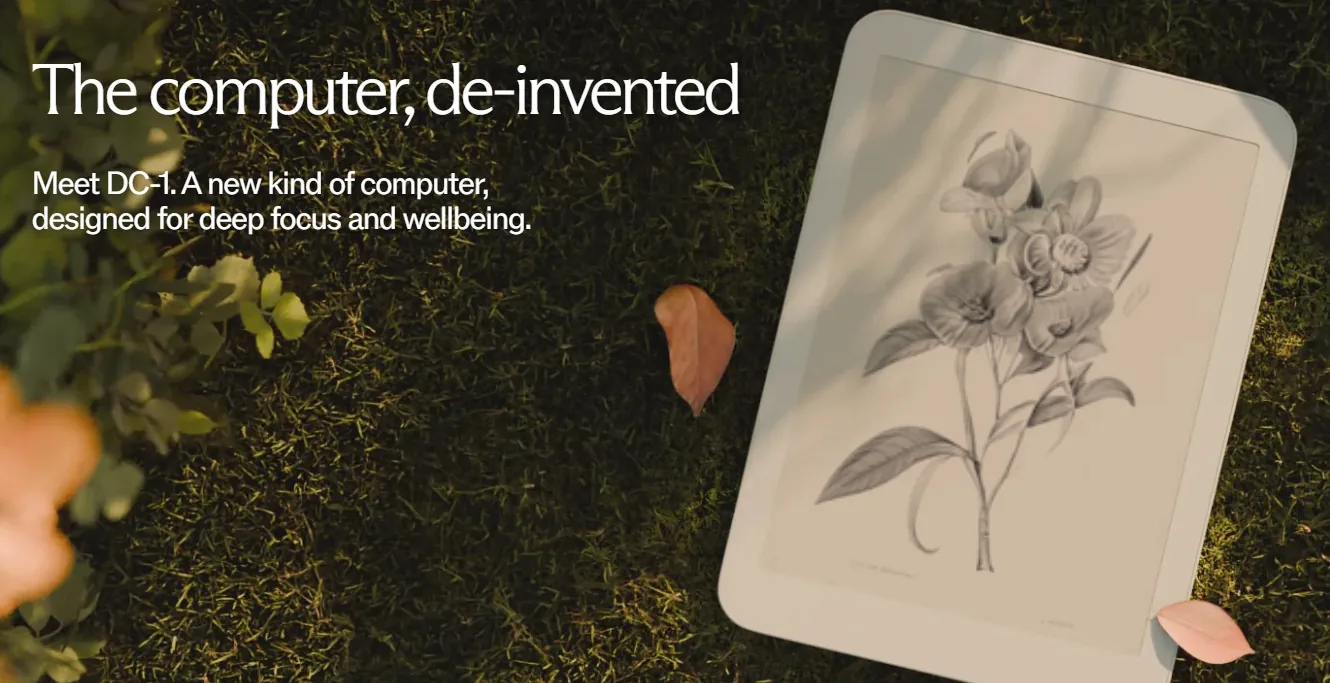
Remember the surprise announcement of the Daylight Computer DC-1? No? Let me jog your memory: it’s a tablet featuring a proprietary system called Sol:OS, a “Live Paper” screen, and a minimalist-focused concept. But where has the Daylight DC-1 gone since its announcement?
(more…)