Could TCL’s new NXTPAPER screens be the big thing in 2025?

new nxtpaper 11 plus for tcl 2025

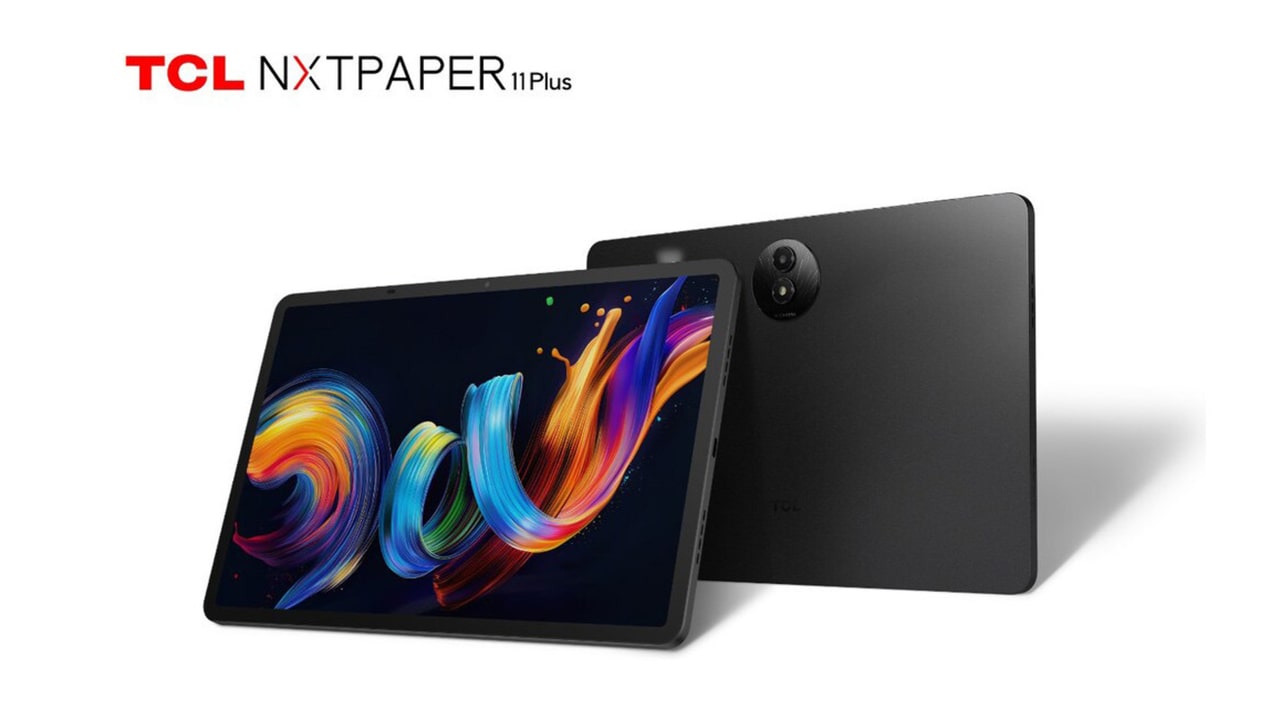
TCL has been working hard for years to bring NXTPAPER screens to its smartphones and tablets. So far, the success has been so-so. But at the Mobile World Congress 2025, TCL announced some interesting new products, like the TCL 60 smartphones and NXTPAPER 11 Plus tablets.

For four years now, this Chinese company has been offering devices with its own NXTPaper screen tech. This tech turns an LCD screen into something that looks like an e-ink screen.

When it was first shown in 2021, it wasn't that impressive.

But TCL hasn't given up! Almost every year, they've made improvements to their products. And this new 2025 line looks much more promising!

In the past, NXTPaper screens struggled with a slow "e-ink" mode. The color "smartphone" mode also wasn't as good as the screens from other brands.

TCL is still using LCD as the base tech, but the new TCL 60 smartphone range seems to have made big improvements in both of these areas.
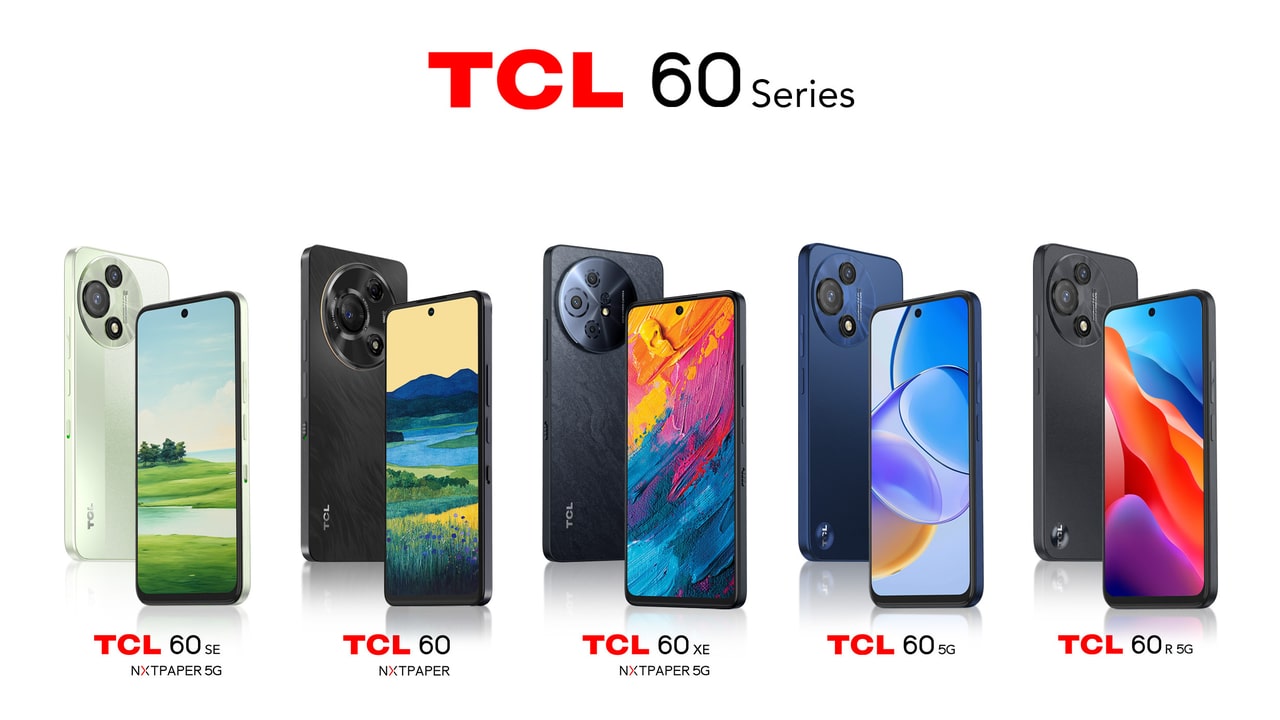
tcl 60 series of smartphone with new 2025 nxtpaper screens

The color screen looks good (based on videos we've seen). And early reviews praise the quality of the "reflective" mode, which displays in black and white for better reading. It's supposed to be like reading on paper!

TCL's software lets the device and screen work in three different modes:

  • "Regular mode": For enjoying color and contrast like a modern smartphone screen.
  • "Color Paper mode": A middle ground, like a color E Ink screen such as Kaleido 3.
  • "Ink Paper mode": A black and white mode for reading. TCL says the experience is similar to a real e-reader.

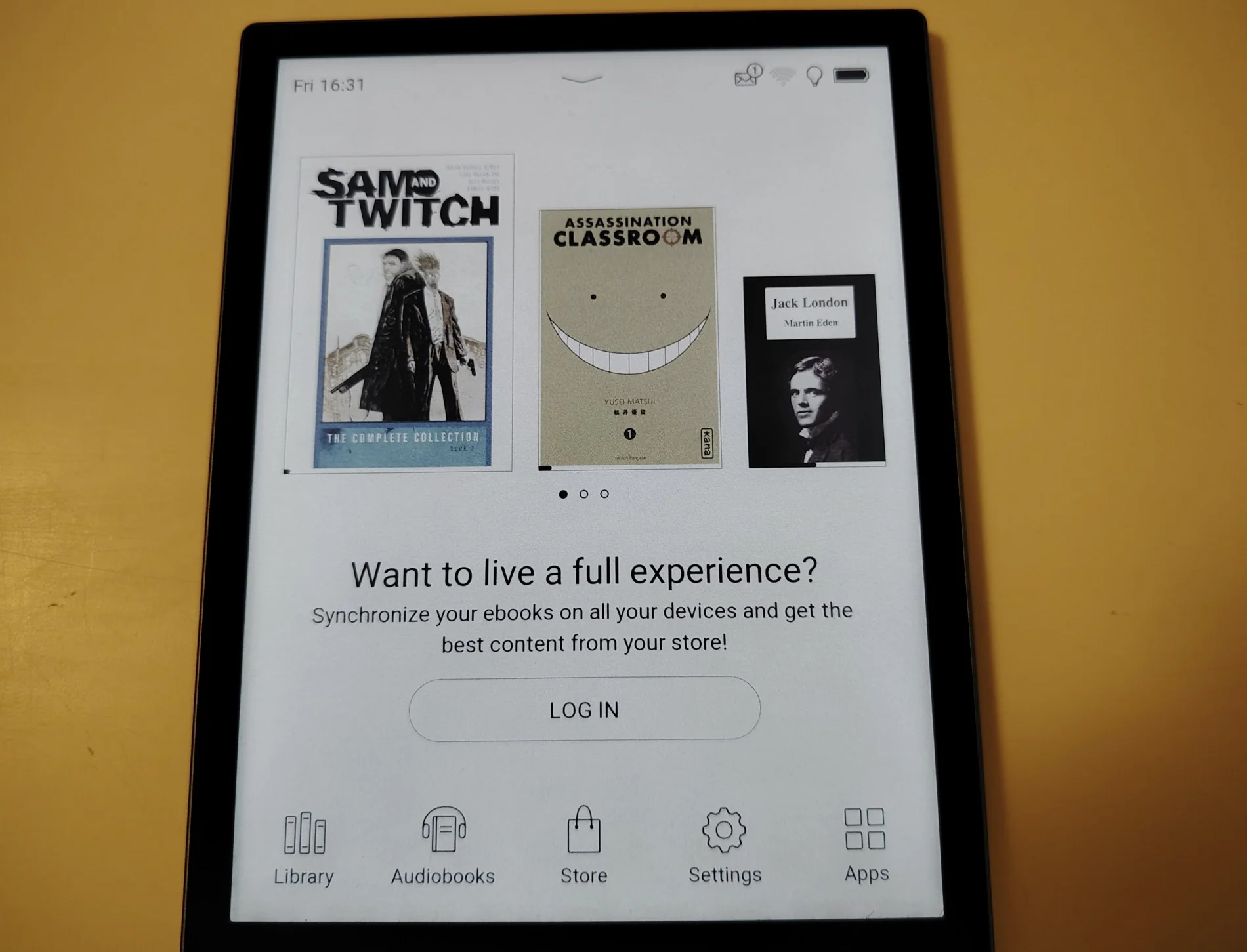
It's important to know that TCL doesn't call it "E Ink" because it's a different technology. E Ink is what you find in e-readers like Kindle, Kobo, Pocketbook, or Boox.

The TCL range, which will include smartphones (TCL 60) and tablets (NXTPaper 11 Plus), also runs on Android.

So, you can use your favorite Android reading apps like Kobo, Kindle or Pocketbook to enjoy your ebooks and digital magazines on these TCL devices.

The big question is: Is the screen as good as it sounds?

The reviews out there are from people who cover general tech. So, we're still a bit cautious. But we think this could be a step forward.

If TCL can offer a good alternative to e-readers in a smartphone or tablet, it could create healthy competition.

Right now, major e-reader brands use e-ink screens made by E Ink, which has a monopoly due to patents. This keeps e-reader prices relatively high.

If TCL offers a good alternative, their devices could compete with e-readers. This could force e-readers to offer more features or lower their prices.

Another important point: TCL could sell these devices to people who don't already read on an electronic device. These people could discover digital reading and ebooks, which might lead them to buy a dedicated e-reader later on.

It's great news that TCL is continuing to improve its NXTPaper tech. I'm hoping to review these devices this year and share my thoughts with you!

These new devices are expected to arrive in Spring 2025, but the TCL website doesn't have them listed yet: https://www.tcl.com/
Why we can’t read full books anymore (hint: blame it on your phone!)

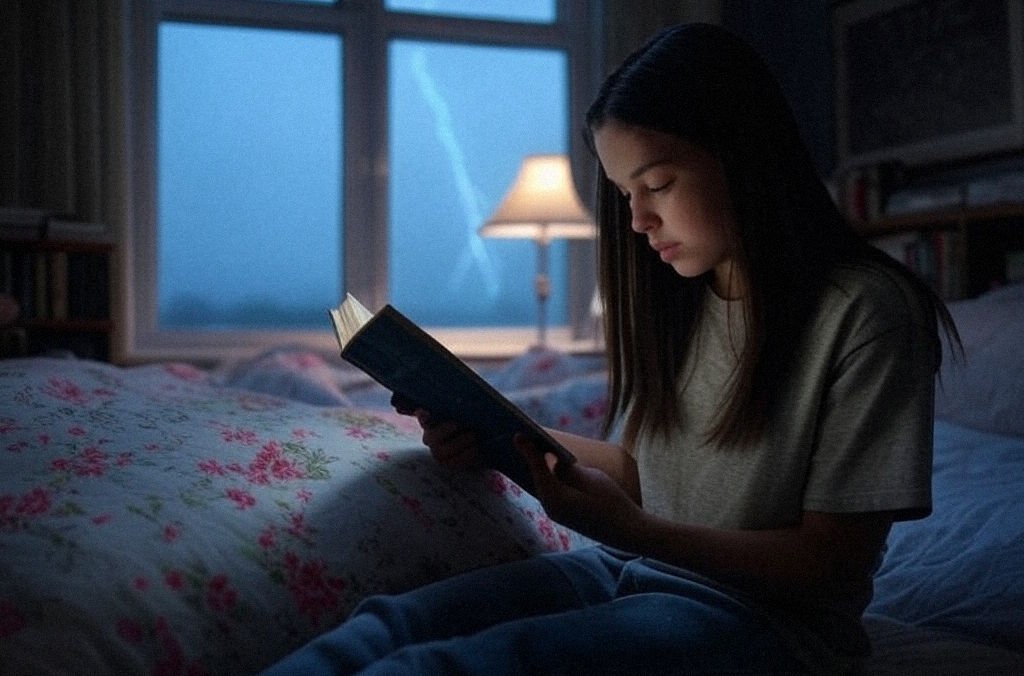
girl reading book

Okay, let's be real for a sec. In a world buzzing with notifications and endless entertainment, it's easy to get distracted. But have you noticed that it feels like people are reading less than ever before?

Well, it's not just a feeling. A recent study dropped a bombshell: a whopping 54% of American adults might be reading at or below a sixth-grade level.

That's definitely something to think about. This drop in reading ability seems to be connected to changes in our schools and the way technology and social media have crept into our daily lives.

(This article is inspired by this great video from Cole Hastings)

A Little History Lesson on How We Learned to Read

So, how did we even get here? Well, way back when, before the 70s, most schools taught reading using "phonics."

You know, sounding out words, matching sounds to letters – the whole shebang. It gave us a solid foundation for understanding what we were reading. But then things changed, and schools started using something called the "whole language approach".

The idea was that reading should feel natural and fun, and that we'd pick it up just by being around books. Sounds nice, right? But unfortunately, it didn't exactly pan out. Kids started struggling with reading comprehension and fluency, and reading abilities across the board started heading south.

Turns out, that old-school phonics stuff actually works! Studies have shown that teaching kids to sound out words helps them read better overall.

Mississippi even went back to phonics in 2013, and guess what? Their reading scores jumped! Go figure.

How Changes in School Policies Messed Things Up

It wasn't just teaching methods that changed things, either. Remember "No Child Left Behind"?

That law made schools test kids every year, which was supposed to make them more accountable. At first, things seemed to improve, but once "Every Student Succeeds Act" came along and eased up on the pressure, test scores kind of dipped again.

It seems like schools were so busy prepping kids for standardized tests that they forgot to make reading fun or interesting.

And that's a problem! Kids started reading shorter snippets instead of diving into whole books, which hurt their ability to think critically and made them less excited about reading anything longer than a tweet.

Check this out: back in 1984, about 35% of 13-year-olds said they read for fun. Now? It's down to just 14%! Crazy, right?

The Tech Monster in the Room

We can't talk about this without talking about our phones.

I mean, let's be honest, how many times a day do you get sucked into a TikTok vortex or scroll through Twitter (X.com now) or Youtube for way longer than you planned?

It's hard to resist! For a lot of kids, checking social media is way more appealing than cracking open a book.

Plus, all that online noise makes it harder to focus and tell what's real from what's fake.

It's like our brains are getting trained to skim headlines instead of digging into real information.

Why Low Reading Levels Are a Big Deal

Okay, so maybe people aren't reading "War and Peace" anymore. So what, right? Well, actually, low reading skills can cause some serious problems.

Studies show that people who struggle with reading are more likely to be unemployed, have health problems, and even end up in poverty.

It's a cycle that's tough to break. On the flip side, boosting reading skills could give our economy a shot in the arm and improve everyone's well-being.

Being able to understand and think critically about what we read is super important in today's world. It helps us make good decisions and be informed citizens.

When people can't read well, it hurts not just them, but our whole community.

So, What Can We Do About It?

Alright, enough doom and gloom. What can we do to turn things around? First off, we need to rethink how we teach reading in schools.

Let's bring back the stuff that works, like phonics, and make sure teachers have the tools they need to do their jobs well. We also need to get kids reading longer stuff, not just snippets, and cut down on distractions in the classroom.

Another big issue is that a lot of teachers are feeling burned out and leaving the profession. We need to fix that by making teaching a more sustainable job. When teachers are happy, they're more engaged and present for their students.

Finally, let's make reading fun again! Encourage kids to put down their phones and pick up a book.

Start with stuff they enjoy, even if it's not super "serious," and gradually work up to more challenging material. The goal is to make reading a habit and something to look forward to.

The Bottom Line

So, yeah, America's reading rates are a little scary right now. But it's not too late to change things.

By improving how we teach reading, reducing distractions, and making reading a priority, we can help turn the tide.

It's time to get excited about books again and help future generations develop a lifelong love of reading. Let's work together to make literacy a top priority – one awesome book at a time!

You won’t be able to download Kindle books after February 26, 2025

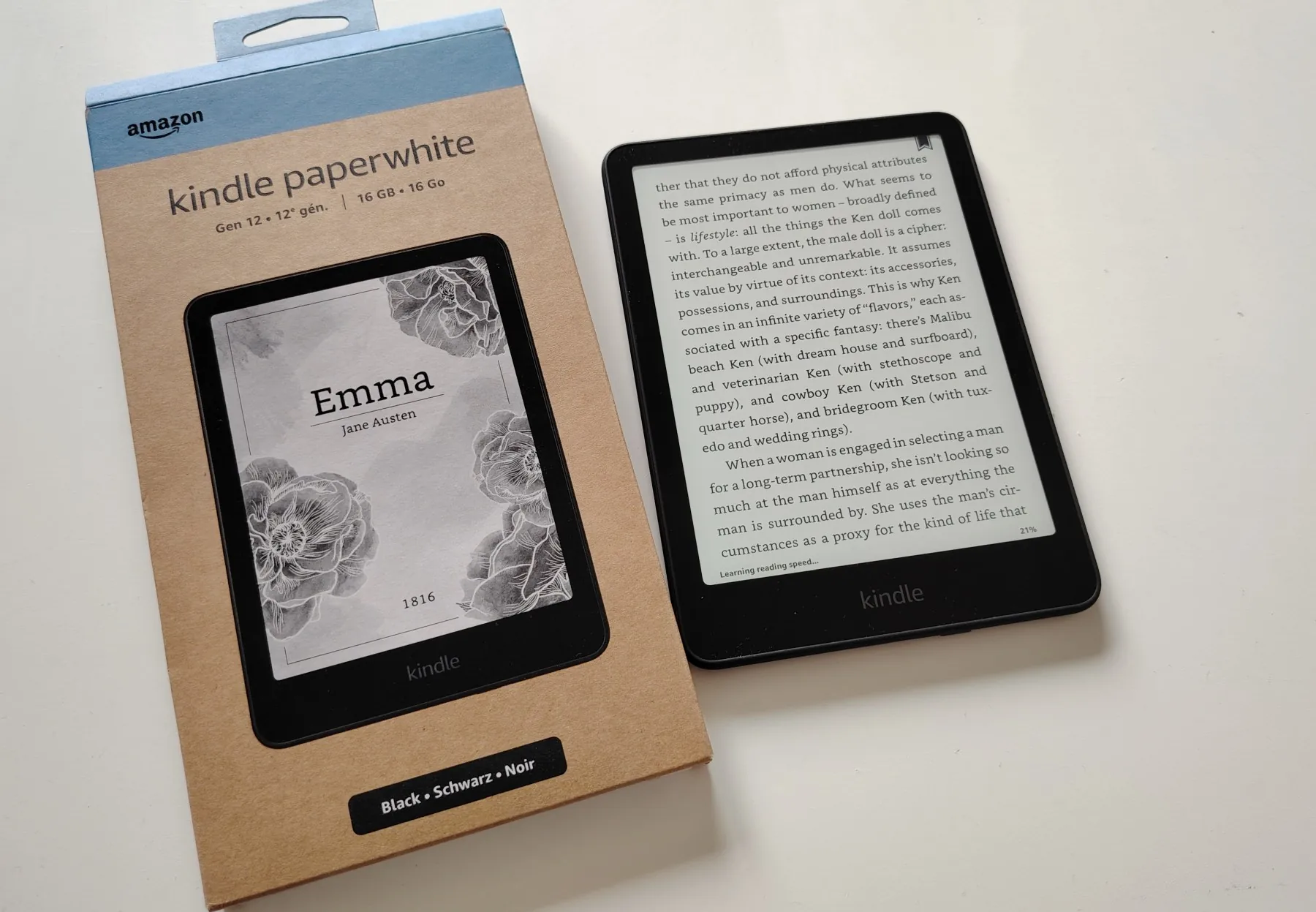
kindle e-reader

Here's some important news for anyone who owns a Kindle e-reader. You need to download your books before February 26, 2025. Yes, you read that right! Amazon is planning to remove the option to save books purchased from the Kindle platform.

How to download your books?

It's pretty simple. Start by logging into your account on Amazon.com using the ID you use for your Kindle purchases.

Once logged in, head to your account and click on "Digital Content Library." (click here) This will take you to all your digital content.

At this point, you need to click on the "Books" tab to see the list of all the books you have. Just a note: if you have any free Prime Reading books, unfortunately, you can't download those. You can just delete them from your device if they’re taking up space. But for the books you've purchased on Kindle, it's time to download them.

To do this, click "More Actions," then choose "Download & transfer via USB." Keep in mind, after the crucial date of February 26, 2025, this option won't be available anymore. You'll still be able to send books to compatible devices, but getting the files back will be a different story.

So, don’t wait! Download your books now to ensure you can access them in the future. Once the file is downloaded, you can find it in the download history, and there you go, it’s saved on your computer in AZW3 format.

If you're like me and love having access to your books even without an internet connection, now's the time to back them up.

I do hope Amazon reconsiders this decision or gives us an alternative way to save our books on our computers.

P.S.: Just to clarify, you'll still be able to buy and send Kindle ebooks to your Kindle e-reader or access them via the smartphone or tablet app. However, you won't be able to download them to your computer's hard drive.

How to Unblock Your Frozen Kindle E-Reader

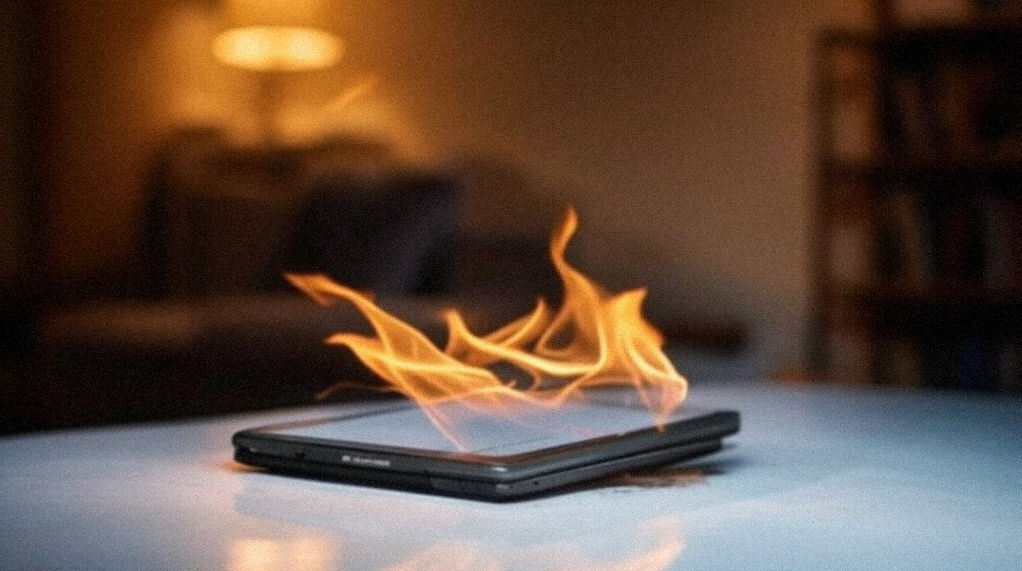
burning kindle e-reader on a table

Today, I want to chat about something that can happen to any Kindle user: that annoying bug where your device becomes unresponsive and seems stuck. Don't worry, I’ll share some tips to help you unblock your Kindle in case of trouble.

So, first things first, sometimes our Kindle e-readers freeze. This can show up in different ways:

  • The screen displays something, but you can't turn pages
  • The Kindle won't wake up from sleep mode
  • The Kindle doesn't turn on

This is often due to a software glitch. In reality, e-ink screens, like the ones on Kindles, can keep showing information even if the battery is dead. Sometimes, e-readers get stuck displaying a page of text or a book cover when frozen.

So just because your screen shows something doesn’t mean your Kindle is still working.

Here's what to do to unblock your Kindle:

Step 1: Charge Your Kindle

First, plug in your Kindle. Use the USB cable that came with your device or another compatible cable.

Connect it to a power outlet or a computer and let your Kindle charge for at least 5 hours.

It’s super important to fully charge it!

Step 2: Reset the Device

Once your Kindle is charged, keep it plugged in and press the power button for 20 to 30 seconds. This will completely reset the device. Ideally, your Kindle should restart.

Sometimes, nothing seems to happen on the screen, but don't stress. Wait 5 to 10 minutes, then press the power button for 3 seconds for a normal start-up.

This should do the trick and unblock the device.

In Case It Doesn’t Work

If it still doesn’t work and your Kindle remains stuck, I’m afraid you’ll need to contact customer service.

If It Keeps Happening

Another thing to consider: if your Kindle unblocks but freezes again quickly, it might be a sign that the battery is worn out and doesn’t hold a charge anymore.

Sadly, opening an e-reader today can be pretty tricky because parts are often glued.

In this situation, the best solution might be to buy a new one. If that's the case, feel free to check out the site's buying guide to find a new e-reader.

Adobe DRM Still Troubles Readers, but Its End Seems Near!

adobe ade lcp readium

After over ten years of covering the digital reading world – e-readers and ebooks (mostly in French) – I thought I had seen it all when it comes to DRM. But an important development is shaking things up.

We know that change can be slow, even in the tech world, and even more so in the book industry. The matter of managing digital rights for ebooks seemed settled for a while, with Adobe reigning for about 20 years.

What's a DRM?

The software that manages an ebook's usage rights is called a "DRM." Think of DRM as a digital lock on a book to: prevent easy copying and free sharing, ensure it's used only on authorized devices (like e-readers, tablets, etc.).

Basically, it's a protection so authors and publishers get paid and to combat piracy. But it can be a bit restrictive for buyers, sometimes limiting where and how you can read the book you bought.

This is why ebooks bought for Kindle on Amazon aren’t compatible with Kobo devices, for example.

Adobe DRM: The Obstacle for Readers

The main DRM is from software giant Adobe. It's called ADE (or ACSM) and it's found on Kindle, Kobo, Pocketbook, or Nook devices.

When you buy an ebook online protected by Adobe’s DRM, you can theoretically read it on a compatible device.

But in practice, it’s often a hassle: installing software on your computer, creating an account, authorizing your e-reader to use that account, needing an internet connection, etc. And you go through this again, sometimes worse, when you switch e-readers, redoing everything if you want to keep access to your digital books.

I have lost count of how many issues I’ve cataloged and the numerous emails I’ve received about Adobe DRM problems. Check out this forum post to see just how widespread these issues are!

Note: Contacting me won't help. The best option is to reach out to Adobe, the book vendor, or the publisher. If you're still stuck, get a refund.

End in Sight Thanks to LCP?

Have you heard of NetGalley? It's an online platform that connects authors and publishers with influential readers – like book bloggers, journalists, booksellers, librarians, and teachers – offering free digital copies of books before they’re published. The aim is to spread the word and create positive buzz before the official release.

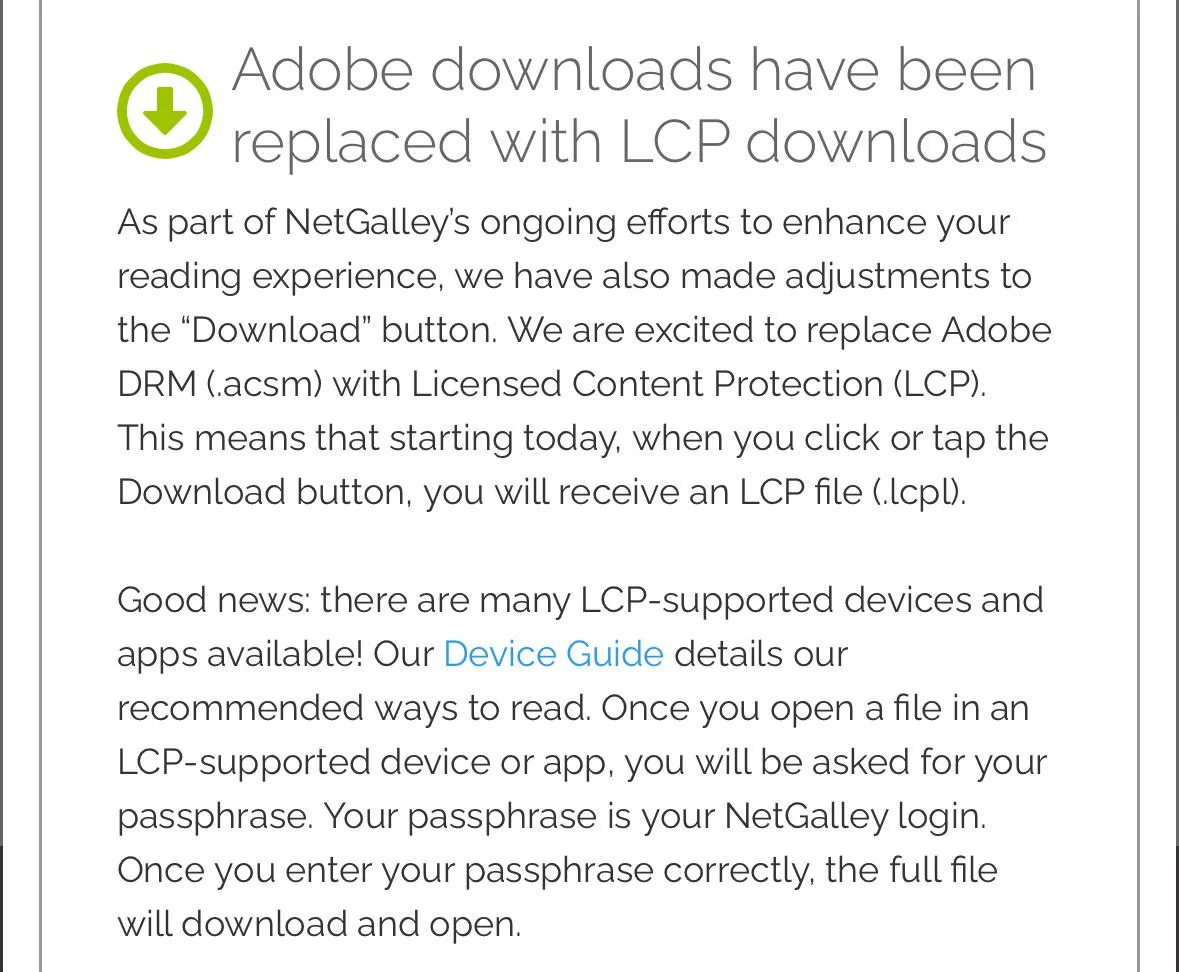
NetGalley just completely dropped Adobe Digital Edition DRM ("ADE") for a new one called LCP—which isn't that new, as we'll see.

This is interesting since NetGalley has made protecting literary works a key trust point for book professionals. This switch proves there's a simpler alternative to Adobe for managing DRM.

adobe ade lcp readium netgalley

LCP: The DRM of the Future

LCP is not new, and I’ve discussed it a lot. A French company called TEA (now Vivlio) was among the first globally to use this DRM widely in 2015, initially called "CARE," (article in French) and more recently, implemented the latest LCP version in all Vivlio e-readers.

The advantage of LCP is that it simplifies user management while still offering strong copy protection.

LCP also supports library borrowing and allows you to use and read the ebook on all LCP-compatible devices.

LCP is already compatible with Vivlio, Pocketbook, and Bookeen e-readers. You can learn more from this short article in English: Readium LCP.

If all e-reader brands switch to LCP, ebooks will be compatible with all devices!

Now, it’s just a matter of convincing Kindle and Kobo to adopt LCP, finally resolving one of the big hurdles in digital reading that still limits e-reader adoption worldwide.

Especially since Kobo users who also use NetGalley aren't happy and are loudly asking Kobo to adopt LCP too (see on Reddit).

Discovering the Past: Free Access to the Video Game History Foundation’s Digital Archive

Free Access to the Video Game History Foundation's Digital Archive

Discovering the Past: Free Access to the Video Game History Foundation's Digital Archive

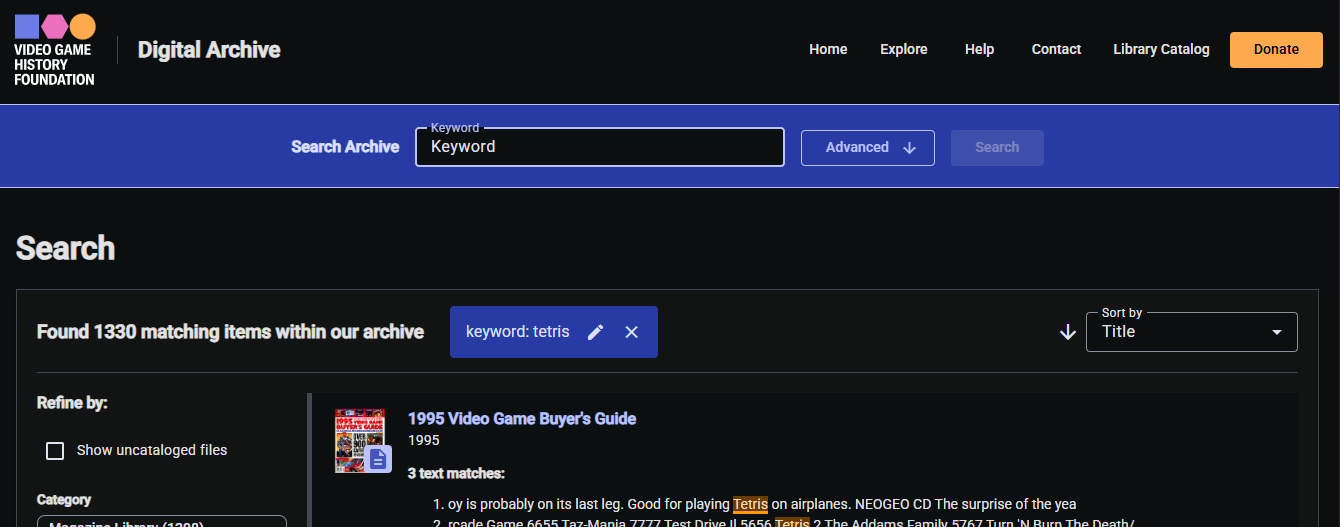
Today marks an exciting milestone for gaming enthusiasts and historians alike, as the Video Game History Foundation (VGHF) opens its digital archive of video game research materials to the public.

Accessible now at https://archive.gamehistory.org/, this repository is an impressive gateway into the world of video game history that is completely free of charge.

A Rich Tapestry of Gaming’s History

Since its inception in 2017, the VGHF has been on a mission to build a comprehensive digital library centered around the history of video games.

Over the years, they have meticulously gathered a treasure trove of materials including development documents, rare publications, magazines, and behind-the-scenes content. This endeavor ensures that the stories of how our favorite games came to life are preserved for future generations.

What’s Inside the Archive

The initial collection is a remarkable assortment of items that includes:

  • Unseen development materials: A glimpse into the creative process behind beloved video games.
  • Promotional artwork: Graphics, press kits, and other marketing materials from iconic titles.
  • Rare magazines: Over 1,500 full-text searchable out-of-print video game magazines, including trade publications that are seldom available to the public.

These resources are invaluable for understanding both the artistic and business sides of video game development.

retro video game magazines

While the archive offers an incredible amount of content, it is unfortunate that documents cannot currently be downloaded for use on e-readers like Kindle. This limitation makes it less convenient for those who prefer to read on portable devices. Finding a way to transfer documents for offline access remains a challenge for many users.

EDIT: I find a way to download the retro magazines with the short cut keyboard "CTRL + S" on my computer to save the file as PDF.

Learn How Games Were Made

One of the highlights of the launch is the Mark Flitman papers, a collection of documents from a retired game producer who worked with renowned companies such as Konami and Acclaim.

These papers embody a detailed record of the video game industry's past, offering unique insights into production and marketing practices that shaped the gaming landscape.

Additionally, the archive boasts over 100 hours of footage from the production of the Myst series, featuring behind-the-scenes content and interviews with the original development team. This access not only enriches the narrative of the Myst games but also supports upcoming projects like The Myst Documentary.

More to Explore

The VGHF Library will continue to expand, looking forward to more exciting additions such as:

  • The first 100 CDs from GamePro magazine’s archives.
  • Guidebooks and ephemera from video game events, including searchable directories from the Electronic Entertainment Expo (E3).
  • A rich collection of promotional materials from FromSoftware, curated by citizen archivist Kris Urquhart.

With so much to offer, the VGHF’s digital archive is not just a resource—it's a celebration of the vibrant history of video games.

Conclusion

The launch of the Video Game History Foundation’s digital library opens up a new chapter in the preservation and study of video games.

Whether you’re a researcher, a developer, or just a fan, having free access to these incredible resources is an opportunity to learn, explore, and appreciate the art and craft of video game creation.

Dive in at library.gamehistory.org or https://archive.gamehistory.org/ and start your journey through the rich history of gaming today!

That's why I love ebooks: one day we'll have all the information we need at our fingertips in a little device like an ebook reader. But, of course, there's still a long way to go before we get there.

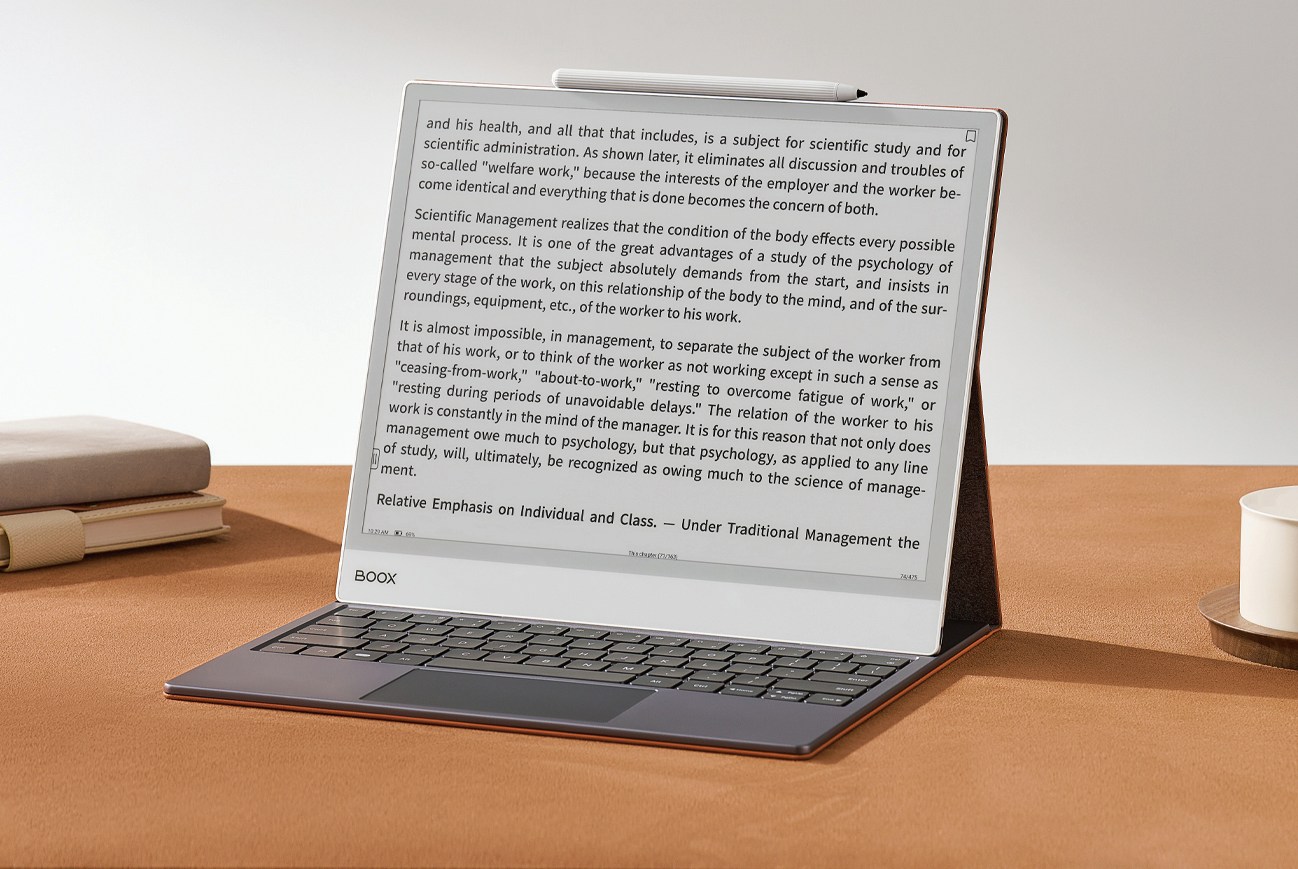
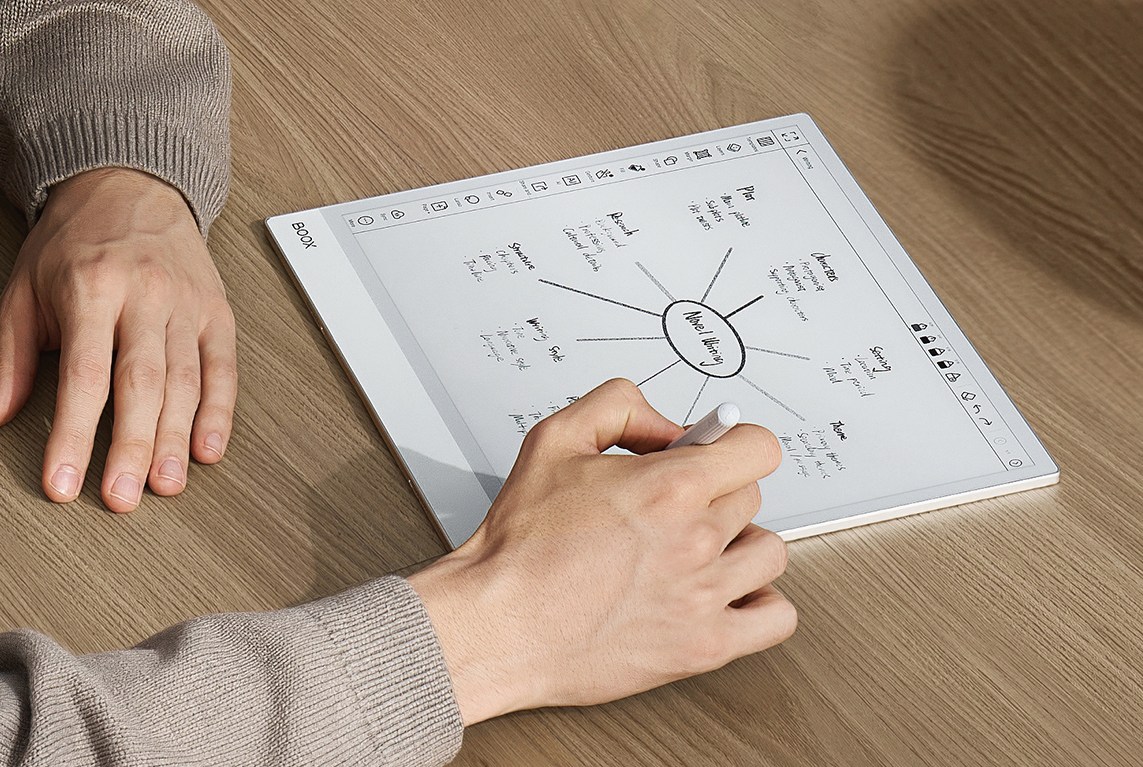
Onyx Boox Note Max: Big, Powerful, but for Work

Boox Note Max e ink note book

Today, I want to talk about a new device that's just made its debut in USA: the BOOX Note Max. With its large 13.3-inch screen and ultra-thin design, it promises an unmatched reading and work experience. But is it really all it seems?

The Note Max is designed mostly for work, and you can tell from its specs.

With its E Ink Carta 1300 technology and 13.3-inch display, it offers excellent screen quality with clearer blacks and whites, reducing eye strain compared to previous models. This is the most advanced e-paper technology available in 2025, also featured in the smaller format Kobo Clara BW.

However, I think its size makes it a bit bulky and somewhat heavy for long reading sessions. This is true for other similar devices like the Kindle Scribe or the Remarkable Paper Pro as well. The Remarkable stands out with a color screen that might appeal to some users.

Looking at the Boox Note Max, its sleek finish and wide screen clearly target professionals who love digital workspaces. It’s more of a work-friendly device rather than a pure reading companion. The "split screen" feature and 2.8 GHz Octa-Core processor make it a versatile tool for taking notes, annotating documents, or handling projects, all while balancing power and ergonomics.

With 6 GB of RAM and access to Google Play Store (Android 13), it’s like having a mobile workstation.

If you choose the optional detachable keyboard, you can turn the Boox Note Max into a modern typewriter. The idea of typing comfortably on an E Ink screen is exciting, though I have reservations about its portability. Given its size and weight, I see it more as a desktop buddy than an e-reader for daily commutes.

Boox Note Max e ink note book

In the end, the BOOX Note Max is an intriguing choice for those seeking an e-paper device for work. Still, it probably won’t replace your lightweight, simple reading devices if that’s your main need. Priced at $649.99, it might attract professionals looking for a digital solution for their projects, though it’s less ideal for reading ebooks, in my opinion.

If you're interested, you can find it now on the BOOX online store and Amazon.

What do you think? Could the BOOX Note Max fit into your daily life, or would you prefer a lighter e-reader? Personally, I'm keen to see how this device competes with the already well-established options.

Technical Specifications for this e-reader:

  • 13.3-inch black and white E Ink screen, Carta 1300
  • Resolution: 3200 x 2400 pixels (300 PPI)
  • Touchscreen and stylus input
  • WiFi
  • Bluetooth 5.0
  • USB-C
  • Speakers
  • 3700 mAh battery
  • Android 13 with Google Play Store
  • Supported ebook formats: EPUB, PDF, Adobe DRM, TXT, RTF, HTML, CHM, Doc, FB2, PNG, JPG, TIFF, GIF, and BMP
  • Supported audio formats: WAV, MP3
  • Additional features: Text-to-speech