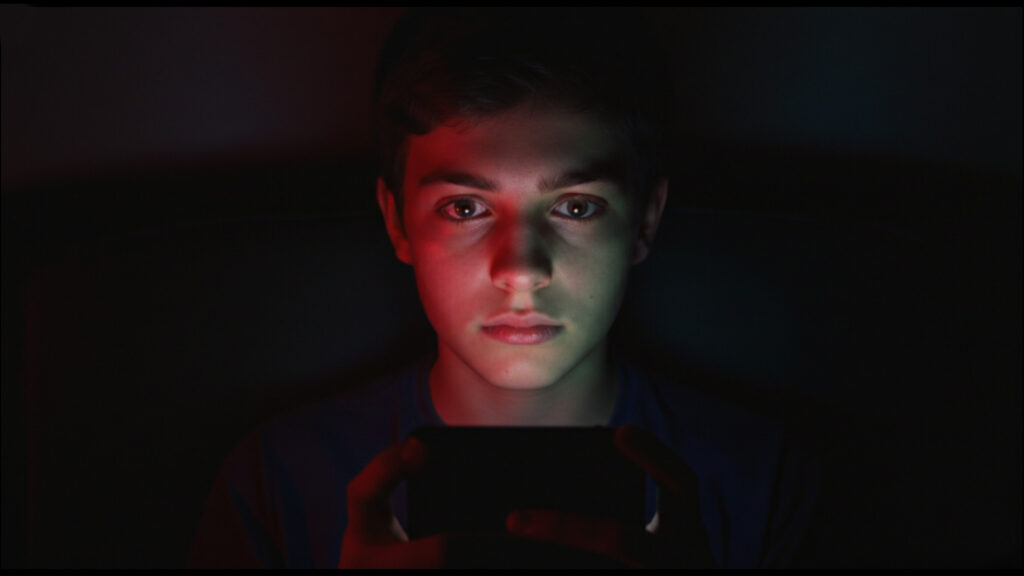
Kids today spend far more time on screens than reading. The good news: most of them say they still like reading. The desire is there – it’s the habit that’s eroding under the pressure of screen competition. So rather than lamenting the situation, I dug into the research: what actually works to give kids and teens the urge to read?
I’ve pulled together 6 concrete, research-validated actions. Nothing revolutionary, just simple habits that, taken together, can make all the difference.
1. Read Stories Out Loud (Yes, Even to Older Kids)
This is an underrated but well-documented practice. Many parents don’t realize it: reading aloud shouldn’t stop once a child learns to read on their own. It should continue well beyond that, including into the teenage years.
Why? Because stories read aloud enrich vocabulary, develop narrative comprehension, and – most importantly – associate reading with a warm, shared moment.
2. Read Yourself (You’re Setting the Example)
Kids copy what they see. If your child never sees you with a book (or an e-reader) in your hands, the implicit message is clear: reading just isn’t interesting.
You don’t need to devour a novel a week. Ten minutes on the couch with a book or an e-reader is already enough, in my opinion.
3. Let Kids Choose What They Want to Read (Graphic Novels, Manga, Romance – It All Counts)
A reader is built through freedom, not pressure. Forcing a child to read a “classic” they didn’t choose is the best way to turn reading into a chore.
I got into reading through Stephen King, then discovered Harry Potter, the wild novels of Bret Easton Ellis and the rich sci-fi of Richard Matheson, then philosophy with Seneca – and only in my 40s am I finally getting to the famous classics.
A teen devouring manga or sci-fi is a reader, plain and simple. And a manga reader today might well be a novel reader a few years from now (especially since many manga fans also get into light novels).
4. Put an Ebook on Their Smartphone
This might be the most realistic approach for today’s teens. Your kid won’t put down their phone? Instead of fighting the screen, put books on it.
The Kindle and Kobo apps are free and work on any smartphone. For kids who resist traditional reading or find it difficult (dyslexia, eye strain), digital reading can be a real gateway: adjustable font size, dark mode, built-in dictionary.
And if you want to go further, an e-ink e-reader is also a great option: no notifications, no TikTok, no Instagram, no Snapchat – just text, but on a high-tech device that’ll turn heads at school.
5. Take Your Kids to a Bookstore
Make it a regular outing, once or twice a month. Let your kids browse the shelves, touch the books, flip through them – then let them pick one to take home.
Yes, it’ll cost you a few dozen dollars a month, but it’s worth it in the long run.
6. Build a Home Library
If you want your kids to care about books, you need to have books in the house.
Pick up a few dozen titles: start with Harry Potter (a crowd-pleaser for the whole family), some mystery novels (Sherlock Holmes is a great starting point), sci-fi, and horror (I’d recommend short story collections by Stephen King and Richard Matheson, for example).
You can find books at thrift stores, used bookstores, or online for next to nothing.
What Science Says: Reading Changes the Brain
For those who need convincing, here’s what the latest research tells us.
A major study published in 2023 in the journal Psychological Medicine by researchers from Cambridge, Warwick, and Fudan University analyzed data from thousands of children as part of the ABCD project (Adolescent Brain and Cognitive Development).
The findings are clear: children who read for pleasure score higher on cognitive tests, have better verbal memory, achieve better academic results, and show fewer attention and behavioral problems.
Even more striking: reading for pleasure is associated with measurable differences in brain structure itself.
In short: your kids need to read, and the best time to start is today.

Leave a Reply